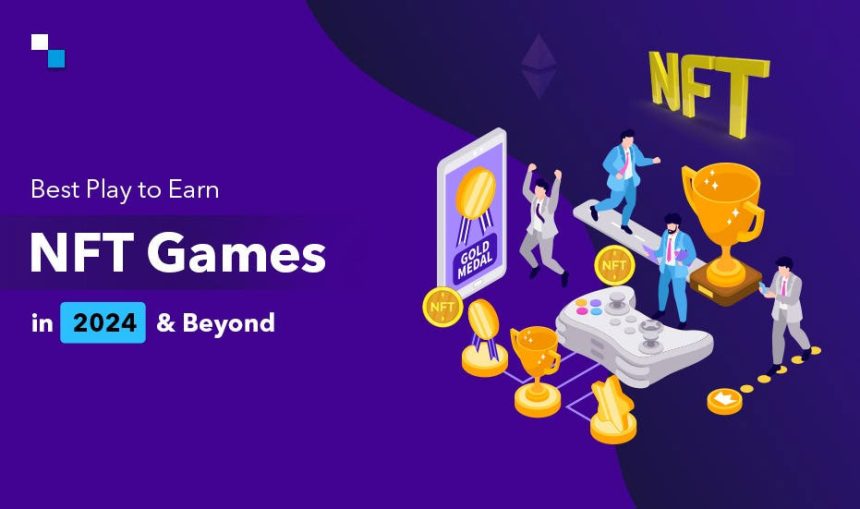
NFT Tokens with Play-to-Earn-Games
Importance of Compliance-as-a-Service for Monetizing NFTs –
Navigating Legal Complexities and Fiat Conversion Challenges
(NFTs) have emerged as a revolutionary force, transforming industries from art, to Real World Asset tokenization to gaming. As the popularity of NFTs surges, so do the complexities associated with their legal underwriting and monetization. Compliance-as-a-Service (CaaS) is becoming increasingly vital in ensuring that NFT transactions adhere to regulatory standards, thereby facilitating their legitimate conversion into fiat currencies. The big NFT boom of 2021 took the world by shock with its massive adoption but crumbled under the scrutiny by the lack of compliance and legitimacy the NFT issuing platforms had at the time due to regulatory uncertainties. Few companies in the world have the true ability to legally issue and monetize NFTs.
The Rise of NFTs and the Need for Compliance
NFTs, unique digital assets verified using blockchain technology, have garnered massive attention for their potential to represent ownership of digital or physical items securely. From digital art pieces selling for millions to in-game assets in play-to-earn games, NFTs are reshaping digital ownership. Despite their potential, NFTs operate in a legal gray area. The regulatory landscape for digital assets is still developing, creating challenges for both issuers and investors. This is where Compliance-as-a-Service (CaaS) comes into play, offering crucial support in navigating the legal intricacies of NFT transactions.
Challenges in Monetizing NFTs to Fiat:
Regulatory Uncertainty
Different countries have distinct regulations regarding digital assets. What is considered legal in one jurisdiction may be restricted in another. This fragmentation creates a significant barrier to the global trade of NFTs.
Classification is an issue as NFTs can represent a wide range of assets, making their classification under existing laws complex. Are they commodities, securities, or something else entirely? This ambiguity complicates compliance efforts.
Anti-Money Laundering (AML) and Know Your Customer (KYC) Requirements:
Platforms facilitating NFT transactions must adhere to stringent KYC procedures to prevent fraud and money laundering. Ensuring the identity of buyers and sellers adds a layer of complexity and cost. Selecting the right partner to underwrite these processes is challenging in and of itself. Continuous monitoring of transactions is essential to detect and report suspicious activities, aligning with AML regulations. This requires sophisticated systems and constant vigilance.
Tax Implications:
NFT transactions can trigger tax liabilities, such as capital gains tax. Properly reporting and paying these taxes is crucial to avoid legal repercussions. Determining the fair market value of NFTs for tax purposes can be difficult, given their unique and often volatile nature. Offering tools to accurately calculate and report taxes related to NFT transactions, ensuring compliance with local and international tax laws. The accurate valuation of NFTs to meet tax obligations can prove extremely challenging.
Consumer Protection and fraud prevention ensures that NFT transactions are secure and that buyers are protected from scams is critical. This involves verifying the authenticity of NFTs and the credibility of sellers. Protecting the intellectual property rights associated with NFTs is another significant challenge, requiring robust legal frameworks.
The Role of Compliance-as-a-Service:
Compliance-as-a-Service offers a comprehensive solution to these challenges, providing tools and expertise to ensure that NFT transactions comply with all relevant regulations.
Key Services:
Regulatory Guidance
Legal experts in the CaaS industry are necessary and provide guidance on navigating complex regulatory environments, helping businesses understand their obligations by developing tailored compliance strategies that align with the specific needs and operations of NFT platforms.
KYC/AML Solutions
Automated Verification is required leveraging advanced technology to automate KYC processes, reducing friction for users while ensuring compliance. Robust systems are required to monitor transactions in real-time, identifying and addressing suspicious activities promptly.
Authenticity Verification is a must ensuring the authenticity of NFTs through blockchain technology and expert validation while providing mechanisms to resolve disputes between buyers and sellers, enhancing trust in the marketplace.
As NFTs continue to revolutionize digital ownership and investment, the importance of Compliance-as-a-Service cannot be overstated. Navigating the legal complexities and ensuring the seamless conversion of NFTs to fiat currency require robust compliance frameworks. By addressing regulatory uncertainties, implementing effective AML/KYC measures, and ensuring tax compliance, CaaS providers are essential in legitimizing and monetizing NFTs, paving the way for their sustainable growth in the global market.
The integration of compliance- as-a-service not only protects businesses and consumers but also fosters trust and stability in the ever expanding NFT ecosystem, ensuring that it can thrive in the long term.
Interested in launching a seamless and tailored api for CAAS for your tokenization initiative, contact us at our website: ApexAssets.io